Which foundation cracks matter and which do not?
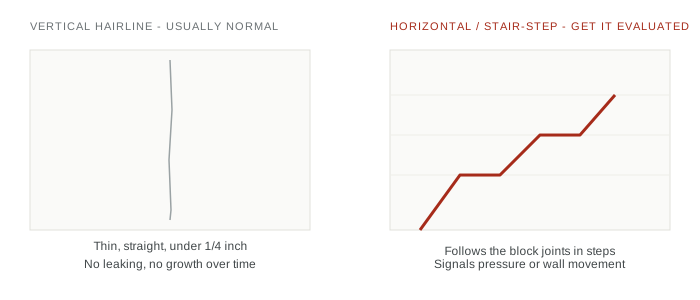
Width and direction do most of the work here. A thin, vertical hairline crack under 1/4 inch is common shrinkage. A crack wider than 1/4 inch, one that's horizontal, or one that's actively leaking is a different situation and worth a professional opinion.
How do you check whether a floor is level?
Set a small level or a marble on the floor near the center of a room and watch it. A small roll is normal in almost any house. A fast, consistent roll toward one side or one corner points at real settling, not just an old house's natural quirks.
| What you see | What it means | Typical cost | Verdict |
|---|---|---|---|
| A single hairline crack in the foundation | Normal shrinkage; common and usually not a concern by itself | $250 - $800 if you want it sealed | note |
| A crack wider than 1/4 inch, or one that leaks | Active movement or pressure; worth a professional look | $1,000 - $10,000+ | price |
| Diagonal cracks from the corners of door or window frames | Classic sign of foundation settling, not surface wear | Foundation evaluation first, repair varies | walk |
| Multiple doors or windows sticking at the same time | Foundation movement, not individual hardware wear | Foundation evaluation first, repair varies | walk |
| A floor that visibly slopes or a marble that rolls fast | Settling; severity depends on how much and where | $4,500 - $20,000 for settling repair | walk |
| Musty smell or dampness in a crawl space or basement | Moisture issue, sometimes tied to foundation drainage | See mold-and-moisture guide | price |
What do sticking doors and windows tell you?
One sticking door is almost always ordinary hardware wear. Multiple doors or windows sticking at the same time is the pattern that actually matters, since it points at the frame of the house shifting, not at any single door's hinges.
Diagonal cracks running from the corners of a door or window frame, paired with two or more doors that don't close right, is a specific and well-documented foundation-movement signature. A single sticky door with none of that around it almost never means the same thing.
What should you look for in a crawl space or basement?
Moisture, standing water, and how the two connect to what you're seeing upstairs. A damp crawl space under a house with sloping floors is a different story than a damp crawl space under a house with level floors and no other symptoms.
When do you need a structural engineer instead of an inspector?
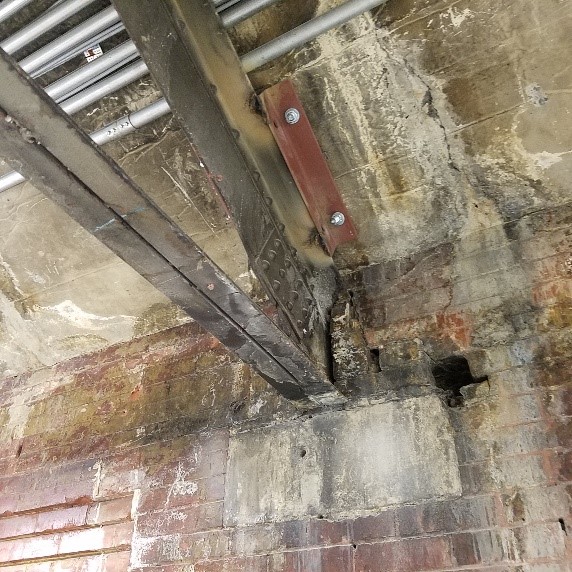
When the findings point at the foundation itself rather than a surface issue: wide or horizontal cracks, a floor that's meaningfully out of level, or multiple sticking doors with matching frame cracks. A general inspector can flag these. Only a structural engineer can tell you what's actually happening and what it costs to fix.
Questions buyers ask
- Are hairline cracks in a foundation normal?
- Yes, in most cases. Concrete shrinks slightly as it cures, and a single thin crack with no leaking, no width change over time, and no other symptoms nearby is common and rarely a structural concern.
- What does foundation repair cost?
- It ranges enormously by severity, from $250 to seal a minor crack up to $10,000 to $30,000 for full leveling or underpinning on a severely settled foundation. The national average project lands around $5,150 to $5,200.
- Is a sloping floor always a foundation problem?
- Usually, but not always. Older homes can have some natural floor unevenness from original construction rather than ongoing settlement. What matters more is whether it’s consistent with other signs, like sticking doors or diagonal cracks, or an isolated quirk in one room.
- Should you buy a house with a wet crawl space?
- Only after understanding the cause. A wet crawl space from poor grading or a clogged gutter is a fixable, moderate cost. A wet crawl space tied to a high water table or a failing foundation drainage system is a bigger and more recurring problem.
Related checks
Cost figures: HomeGuide, Olshan Foundation Repair, HomeCostLab, FoundationSage and Modernize 2026 foundation repair pricing guides. Sticking-door and crack-pattern signals cross-referenced across multiple foundation repair company sources (Pinnacle, Foundation Repair of CA, Bay Crawlspace, LRE), consistent on the "pattern, not single door" distinction. Figures are national averages current as of September 2026.